What Does a Luxury Basement Remodel Cost on the South Shore?

Hey everyone! Craig Guido from Almar Building & Remodeling here. I love helping families love their homes even more.
Lately, many South Shore homeowners are asking one big question. They want to know, “What Does a Luxury Basement Remodel Cost on the South Shore?” This is a fantastic question to ask. Today, I am happy to share some honest, helpful advice about the numbers. However, please keep one important detail in mind upfront. Every coastal home is truly unique. Therefore, these figures are a general reference point. For an exact price, you should contact our team for a personalized estimate.
The South Shore Basement: A Starting Point
It is natural to want a ballpark figure for your investment. After all, you are transforming unused space into a beautiful extension of your home.
We have extensive experience remodeling basements in premier communities like Hingham, Norwell, Scituate, and Hanover, MA. Because of this, we see a wide range of budgets. Generally, a high-quality finished basement project falls between $75,000 and $200,000. Sometimes, custom luxury designs can go even higher.
Now, please do not let those numbers surprise you! Let’s dive into why this range exists.
Think of it like purchasing a beautiful new vehicle. You can choose a reliable standard model. Alternatively, you can select a luxury SUV with premium upgrades. Both options get you where you need to go. However, their costs differ because of the finishes and features inside.
What Drives the Custom Remodeling Investment?
Custom remodeling means creating a space tailored exactly to you. Your home has its own personality, and your basement transformation will too!
| Main Cost Factors | Luxury Impact & Examples |
| Size & Square Footage | Sprawling coastal basements require more materials and labor. |
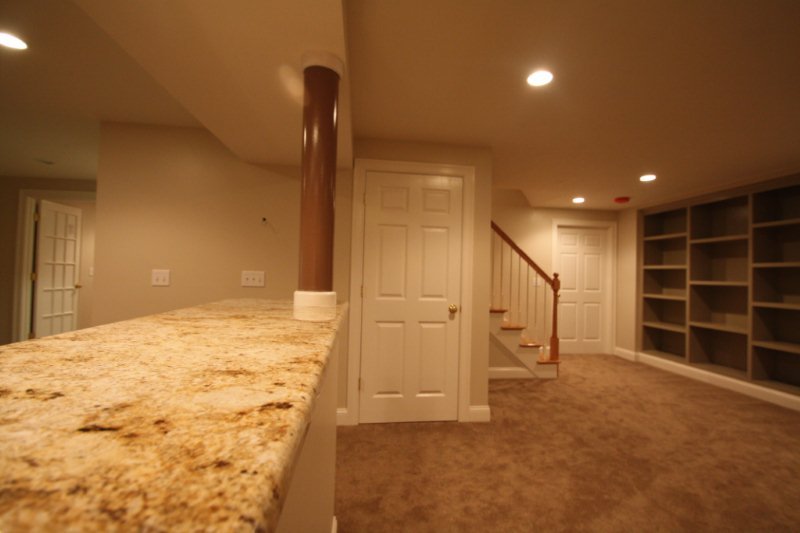
| Level of Finish | Premium options like custom trim and luxury vinyl plank increase value. |
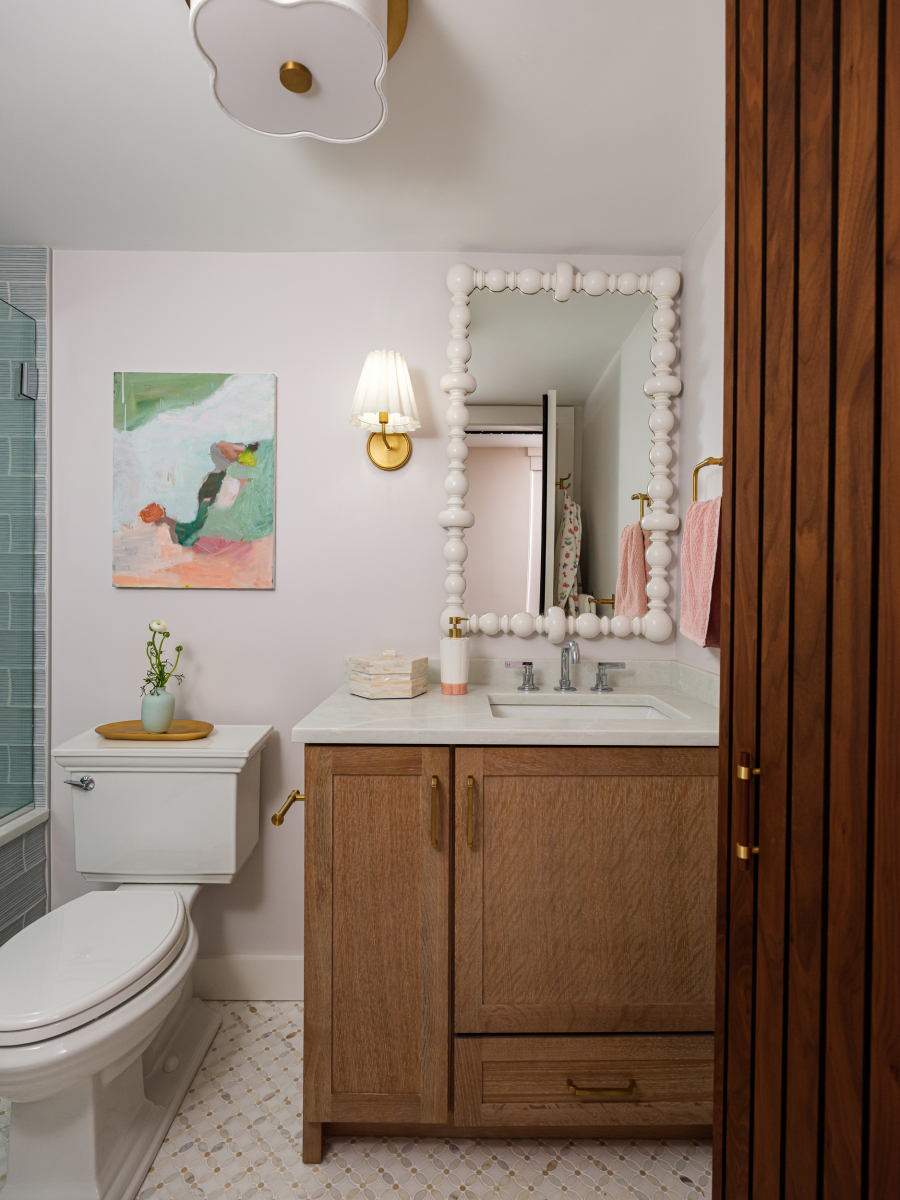
| Adding a Custom Bathroom | High-end plumbing fixtures and gorgeous tiling create a spa-like feel. |
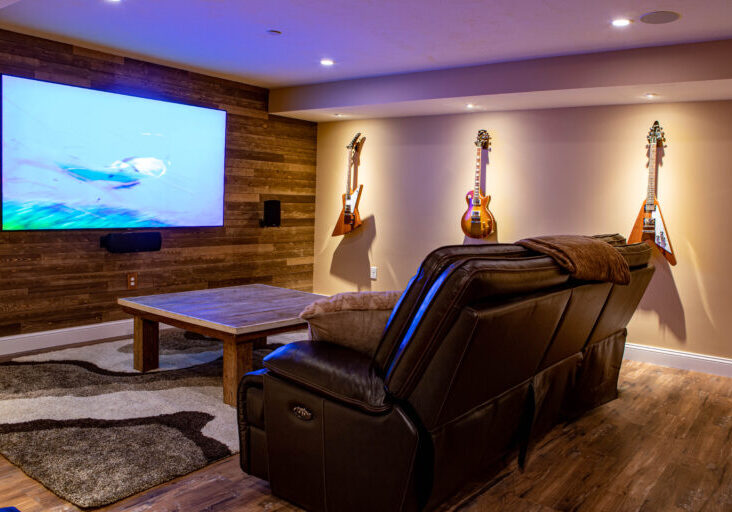
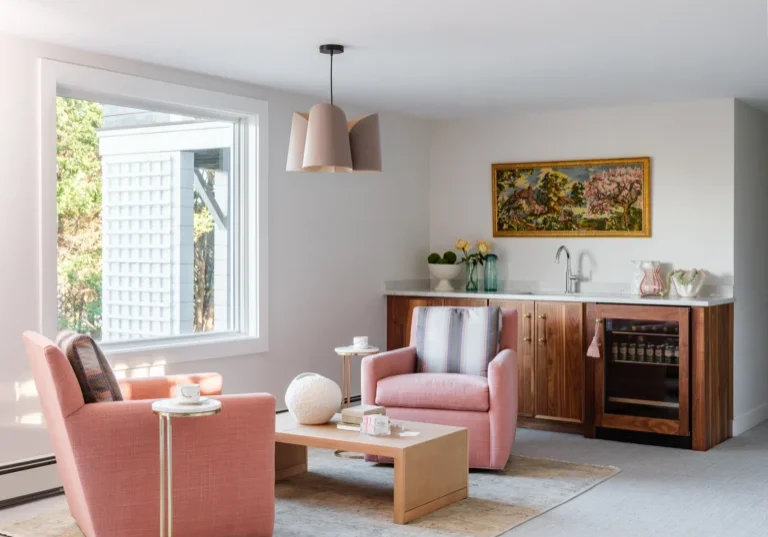
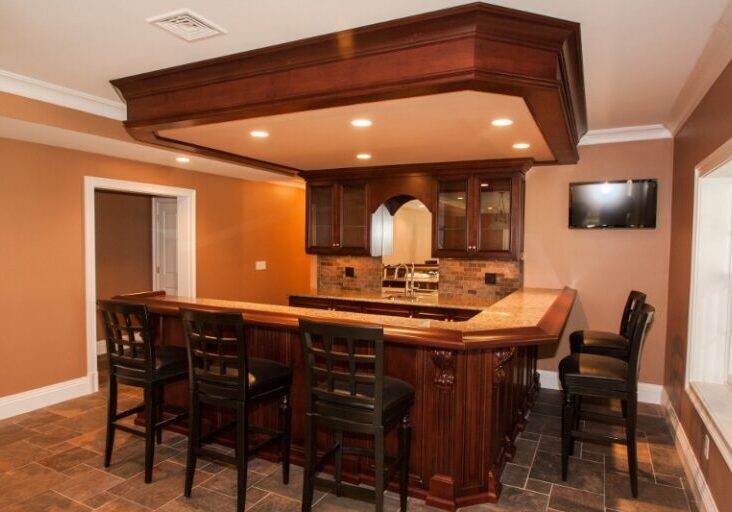
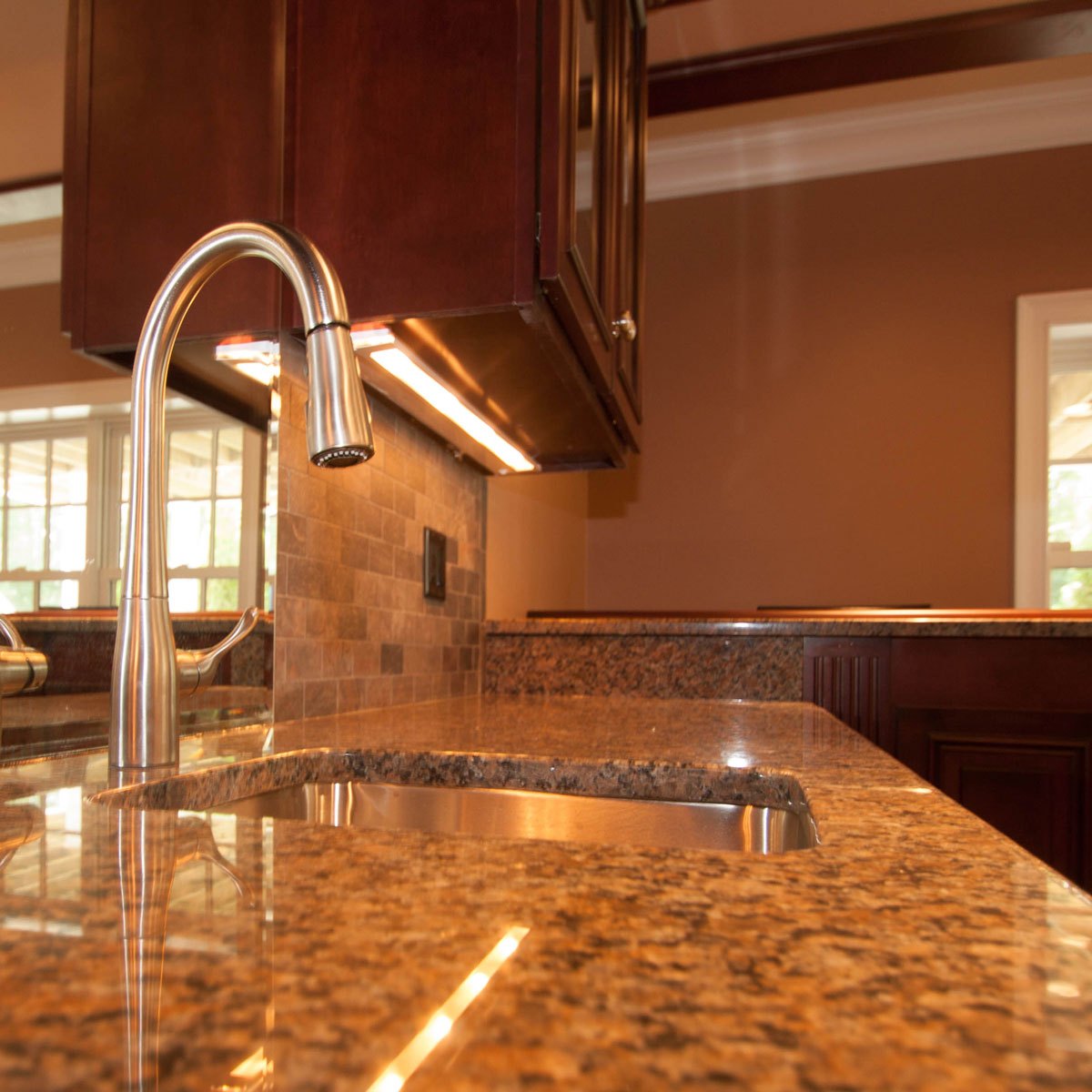
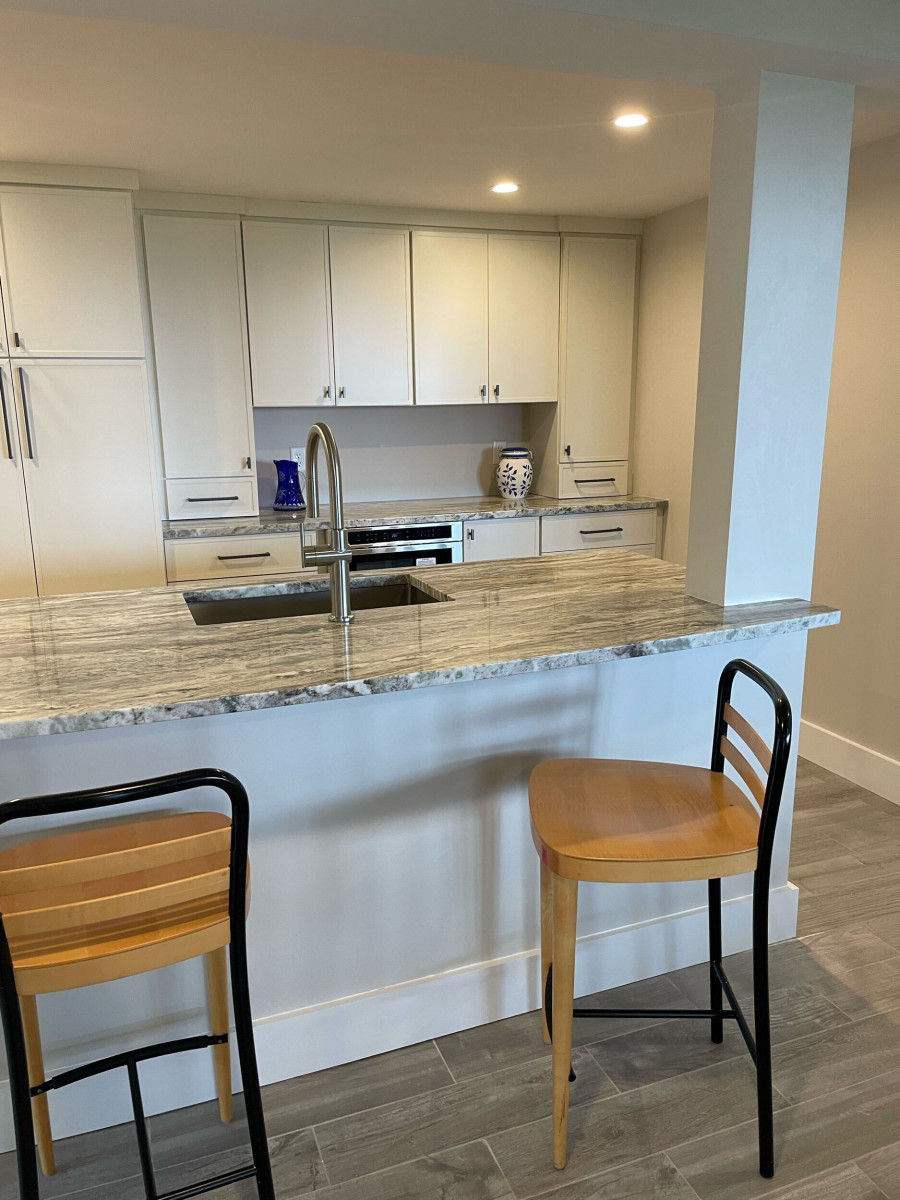
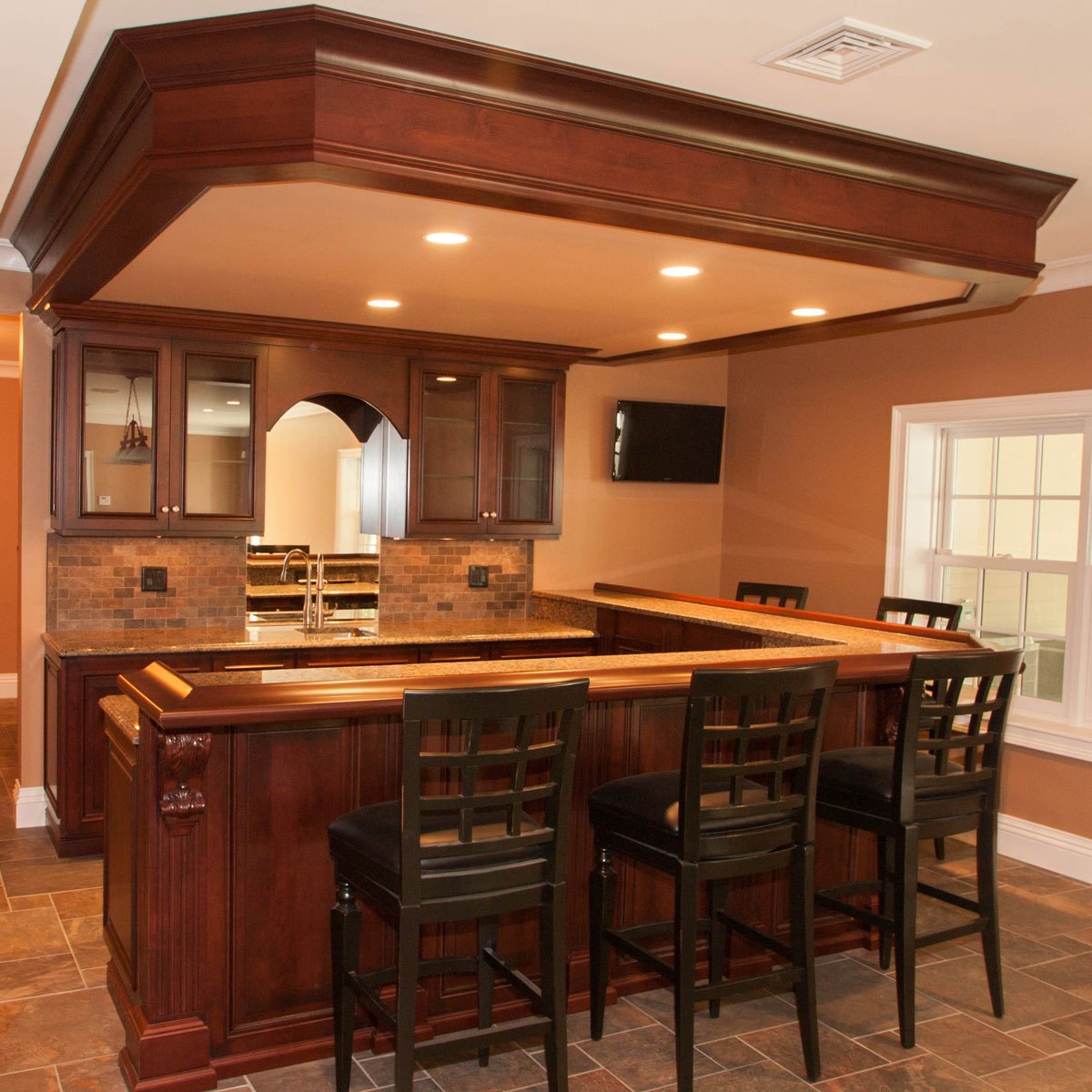
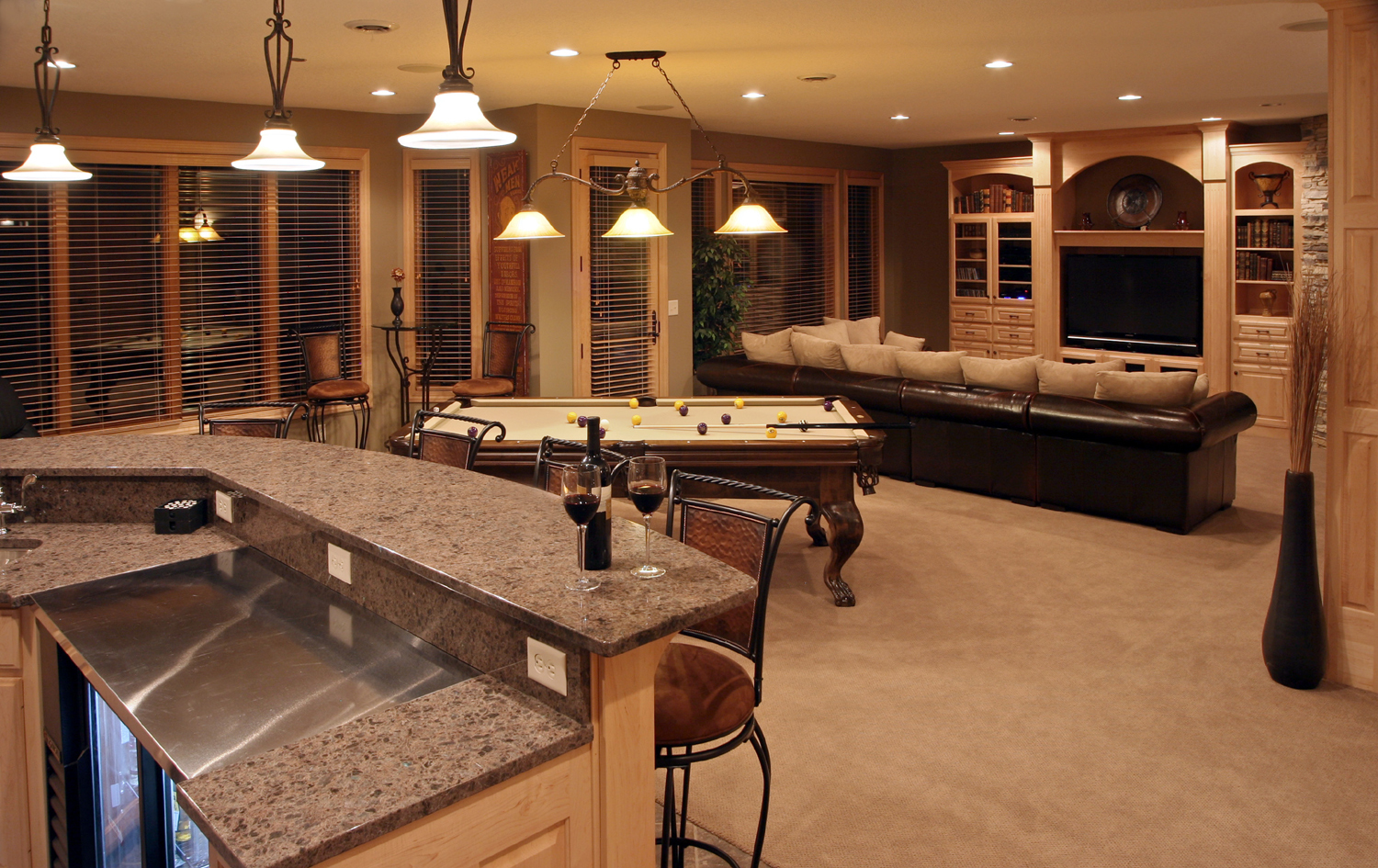
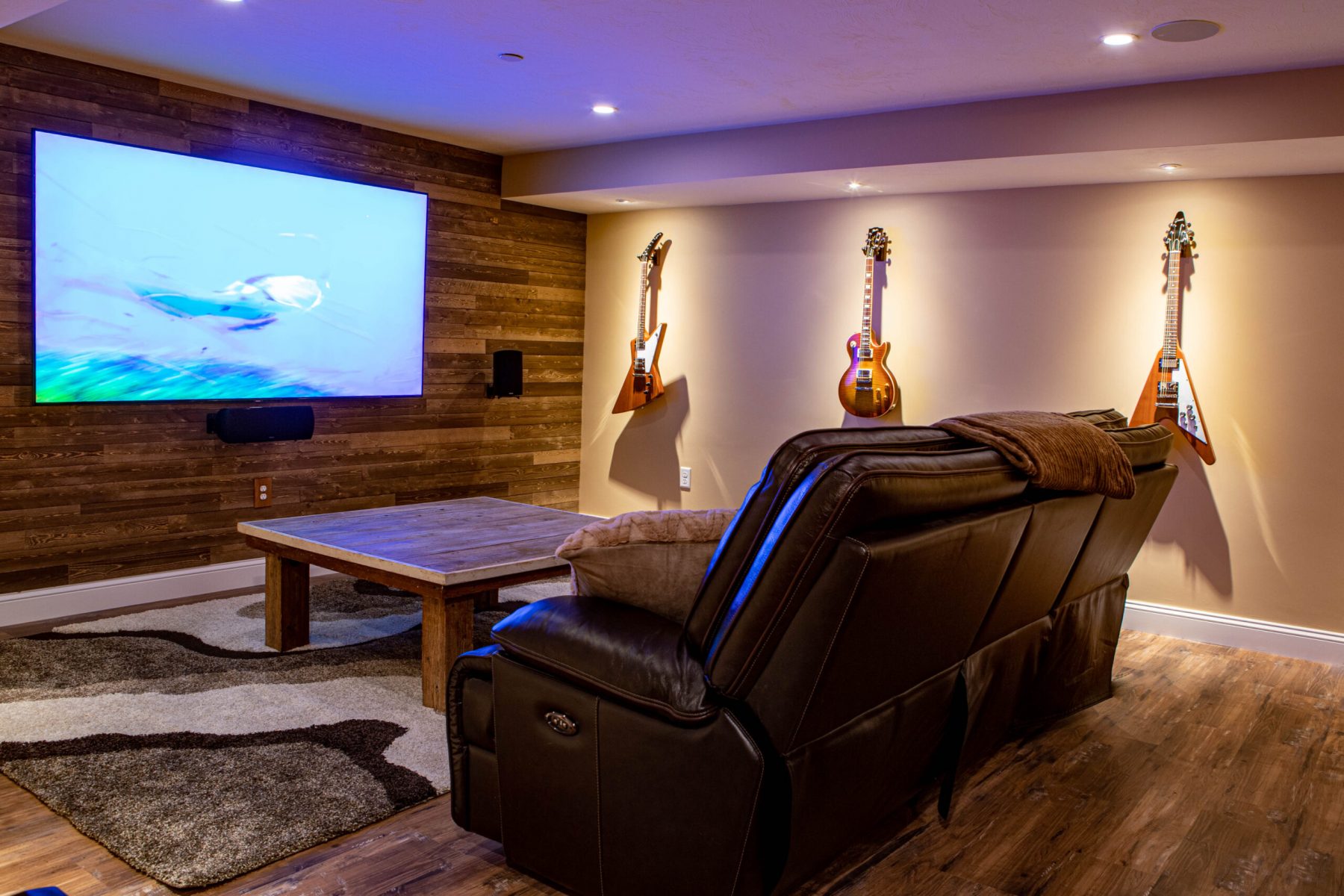
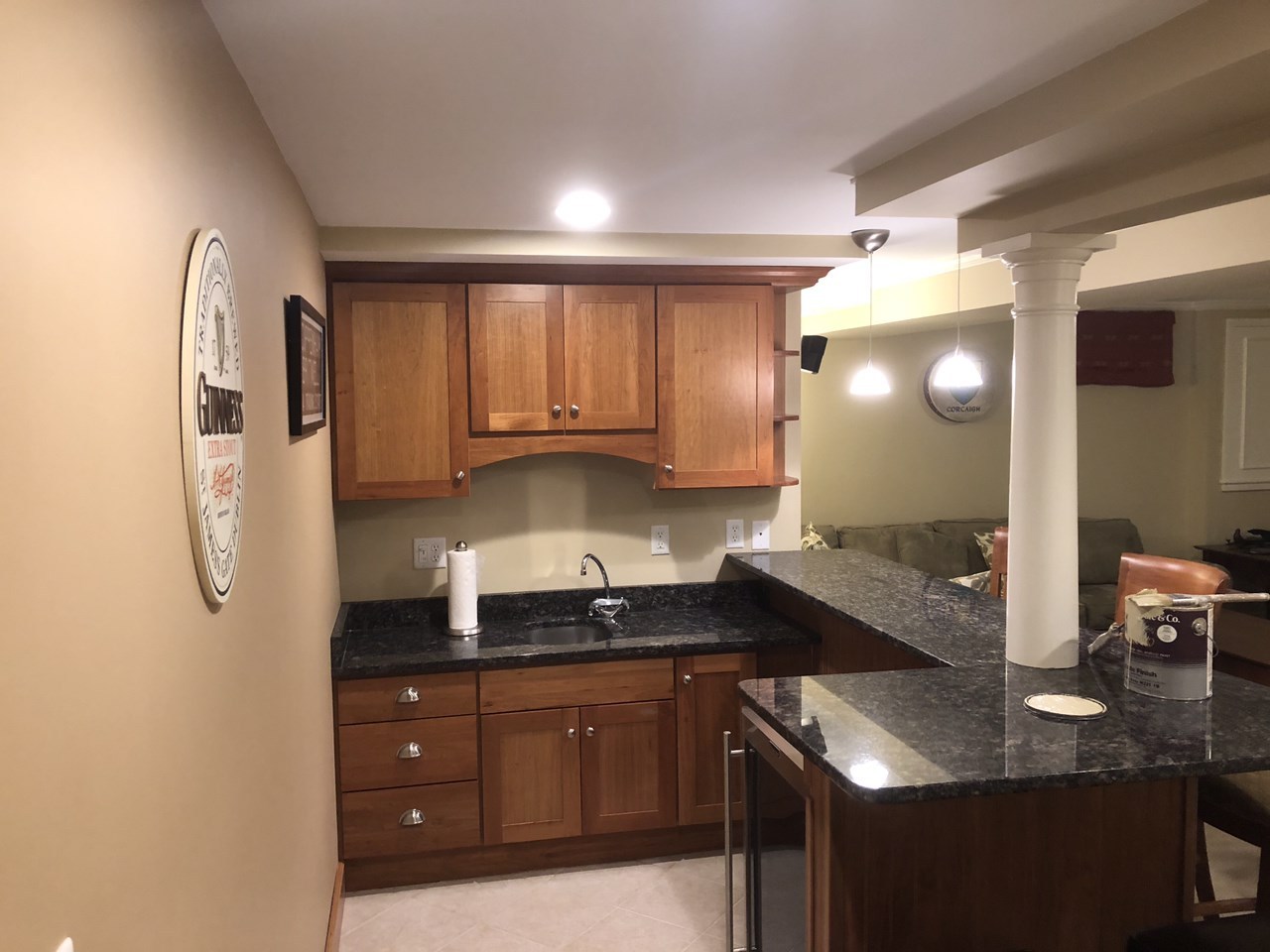
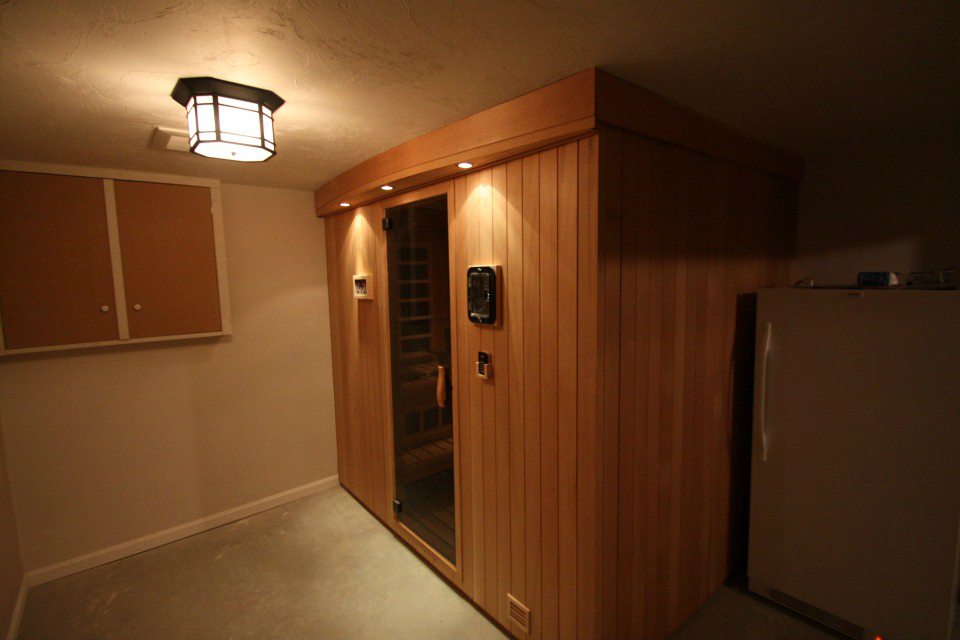
| Specialty Features | Wet bars, kitchenettes, and home theaters add incredible entertainment value. |
| Egress Windows & Doors | Essential safety features that bring beautiful natural light downstairs. |
| HVAC & Smart Electrical | Advanced heating, cooling, and specialized lighting keep the space cozy. |
| Foundation Corrections | Addressing older moisture or radon issues ensures a safe, healthy home. |
1. Size Matters: Square Footage to Finish
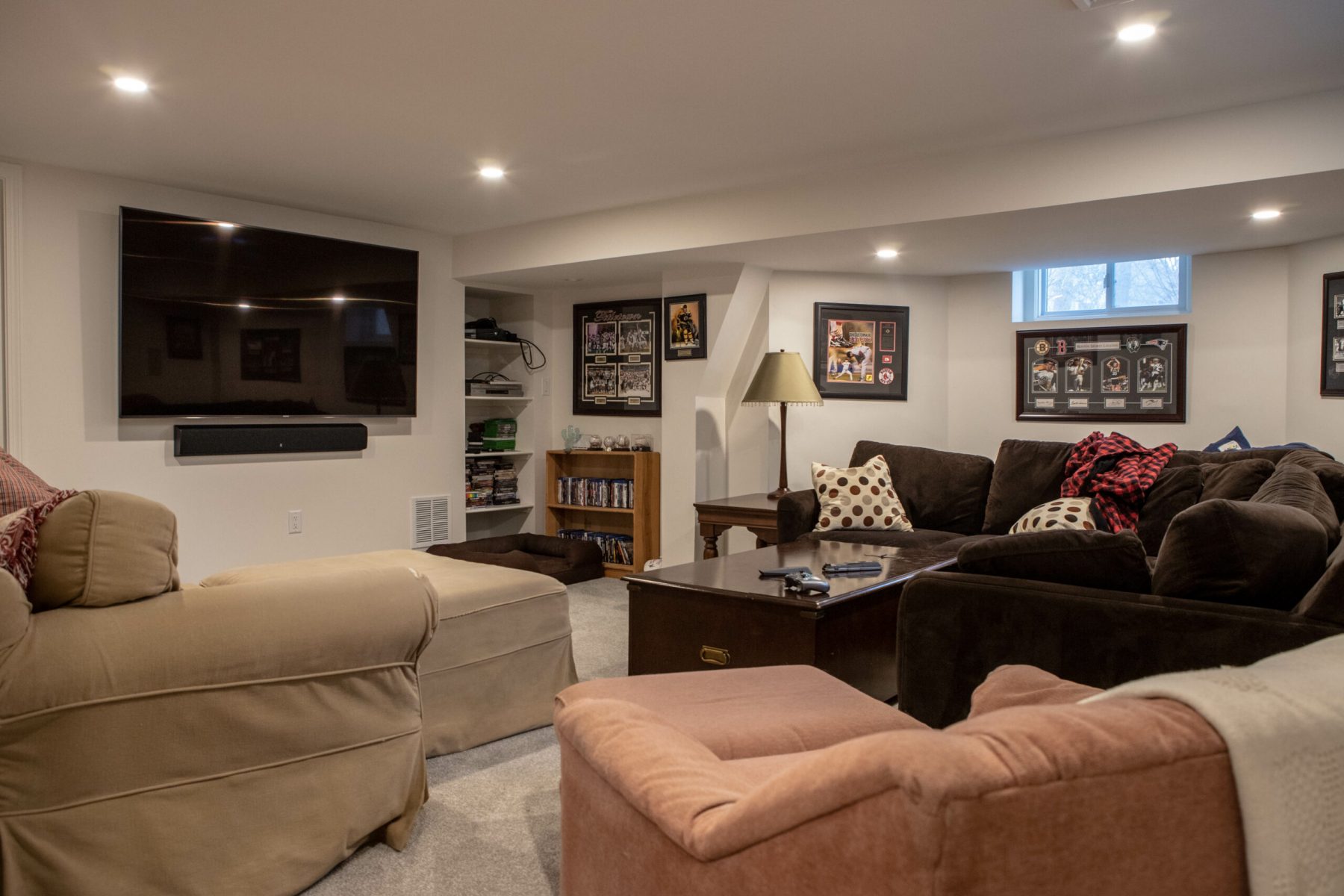
Naturally, a larger footprint requires a larger investment. More square footage simply means more premium materials. For example, a cozy 500-square-foot media room is much faster to complete than a massive 1,500-square-foot multi-room suite.
2. Choosing Your Level of Finish: Good, Better, Best
This is where your unique vision comes to life! Are you looking for a clean, functional area? Or do you want a spectacular luxury retreat?
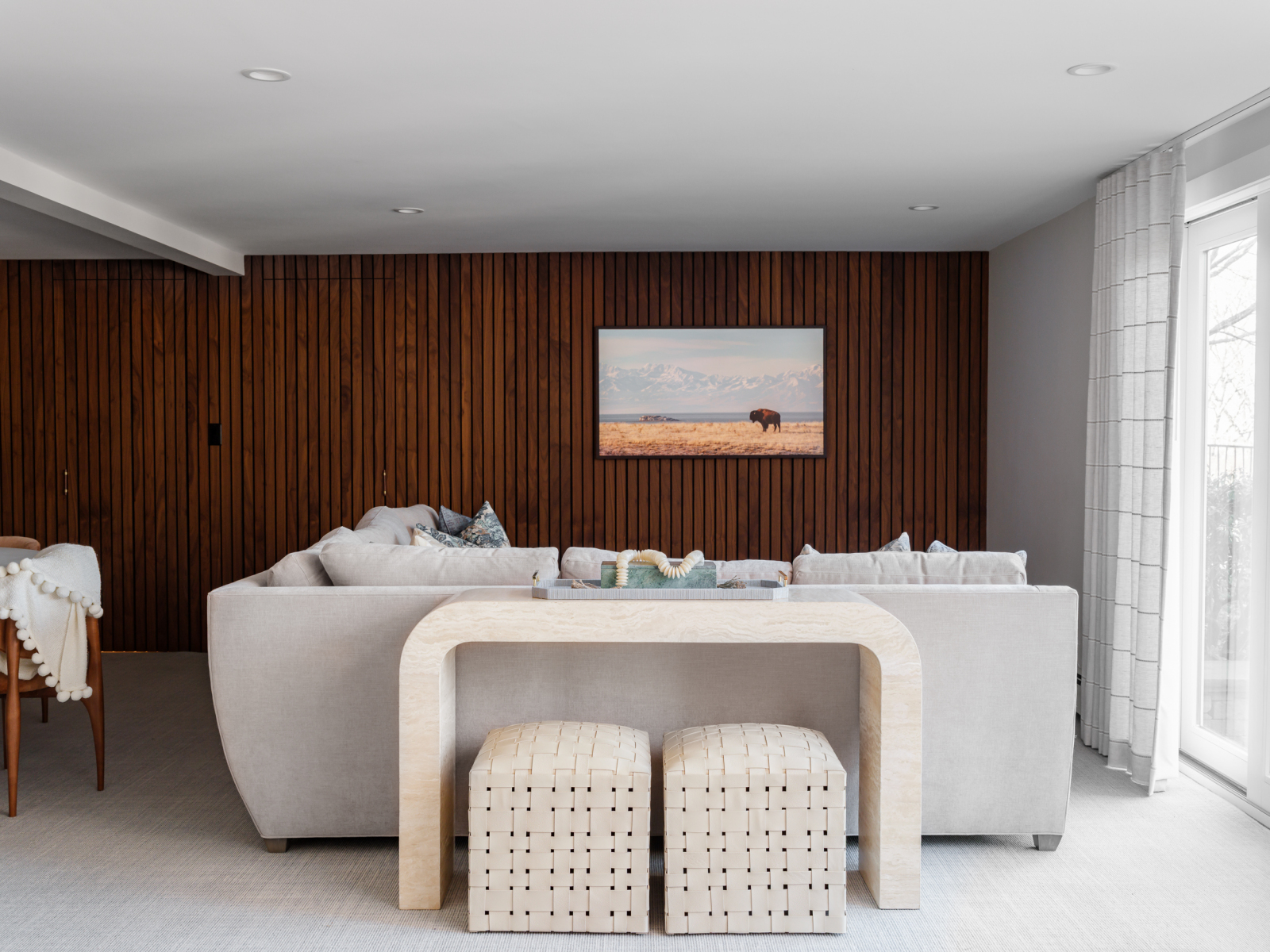
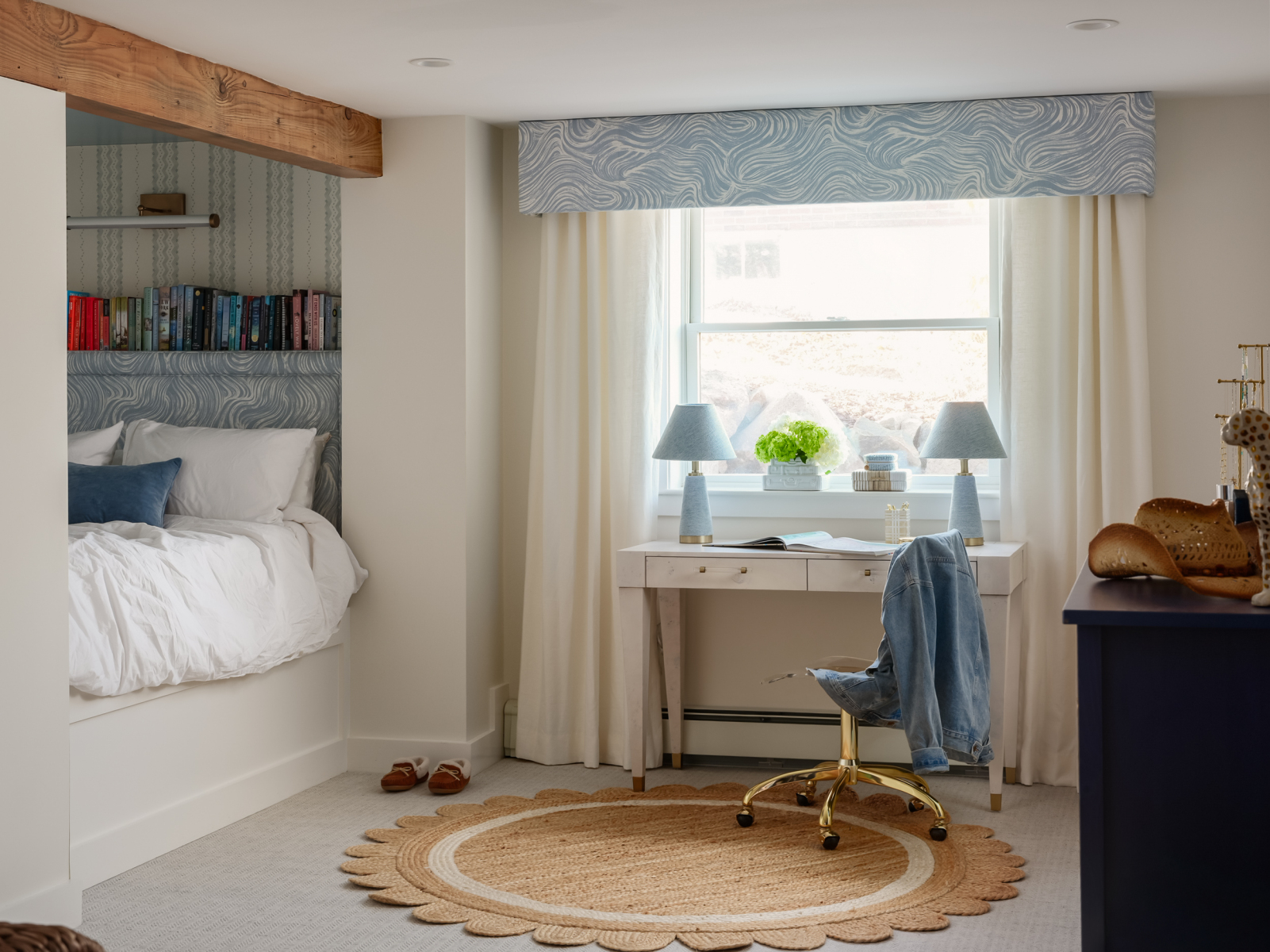
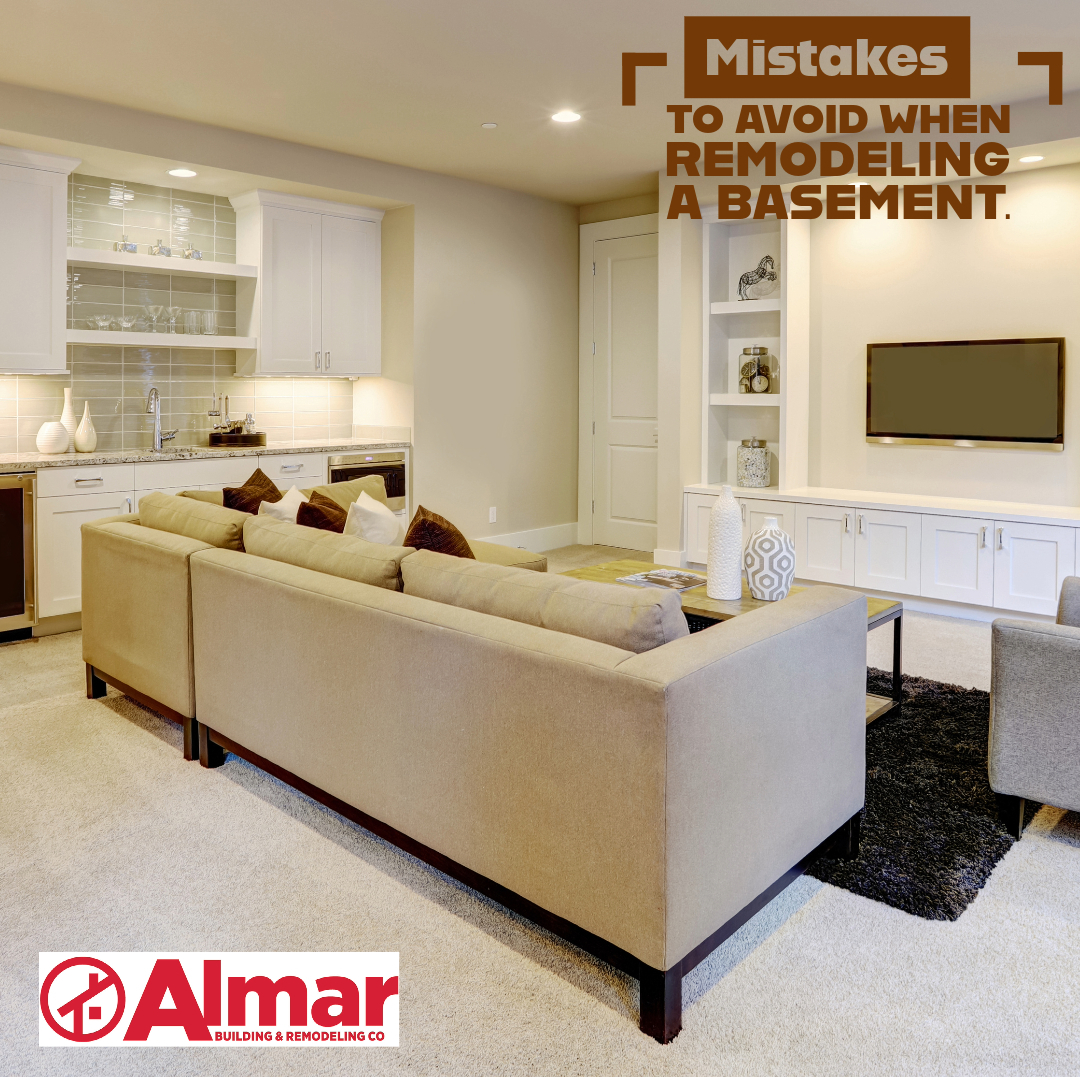
- A Beautiful Mid-Range Finish: This wonderful option includes upgraded flooring, recessed lighting, and perhaps a lovely half bathroom. It makes an excellent play area or a quiet home office.
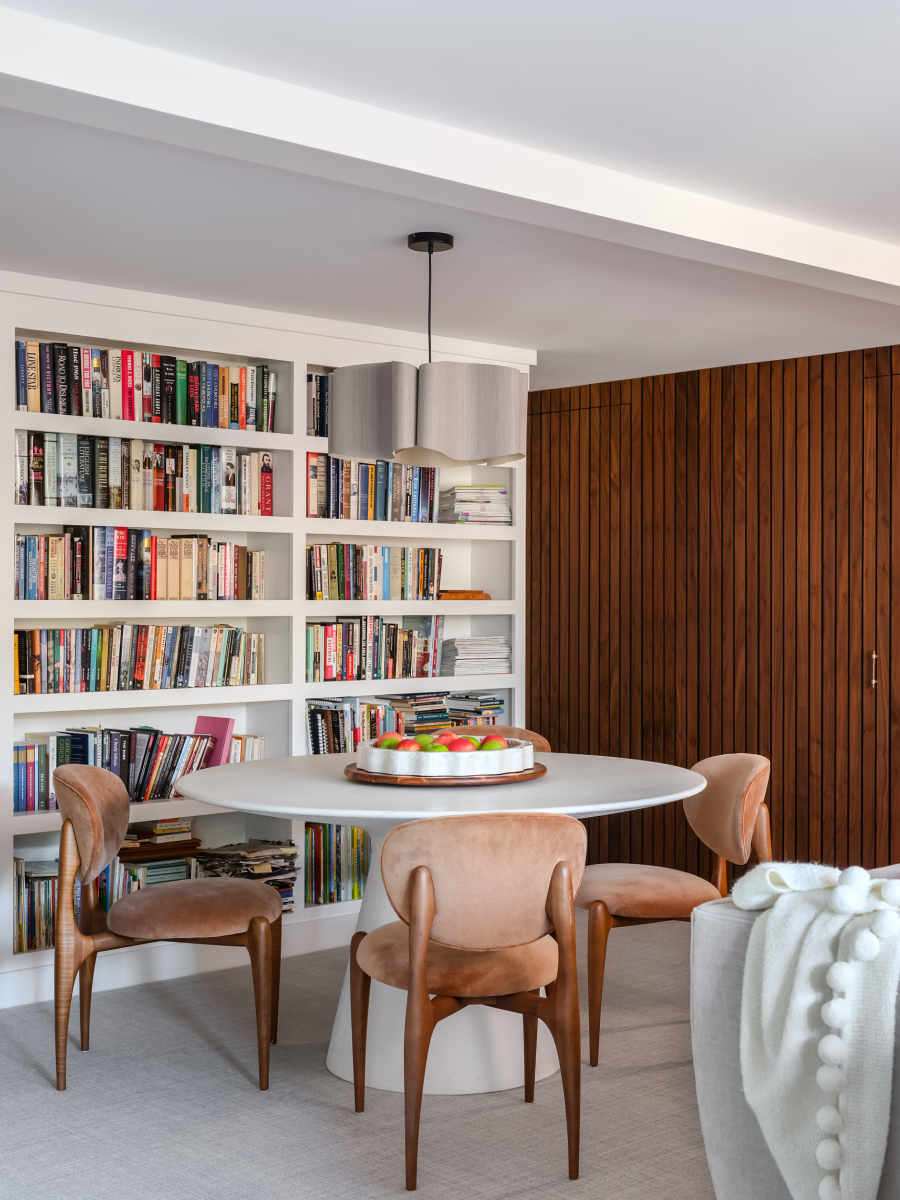
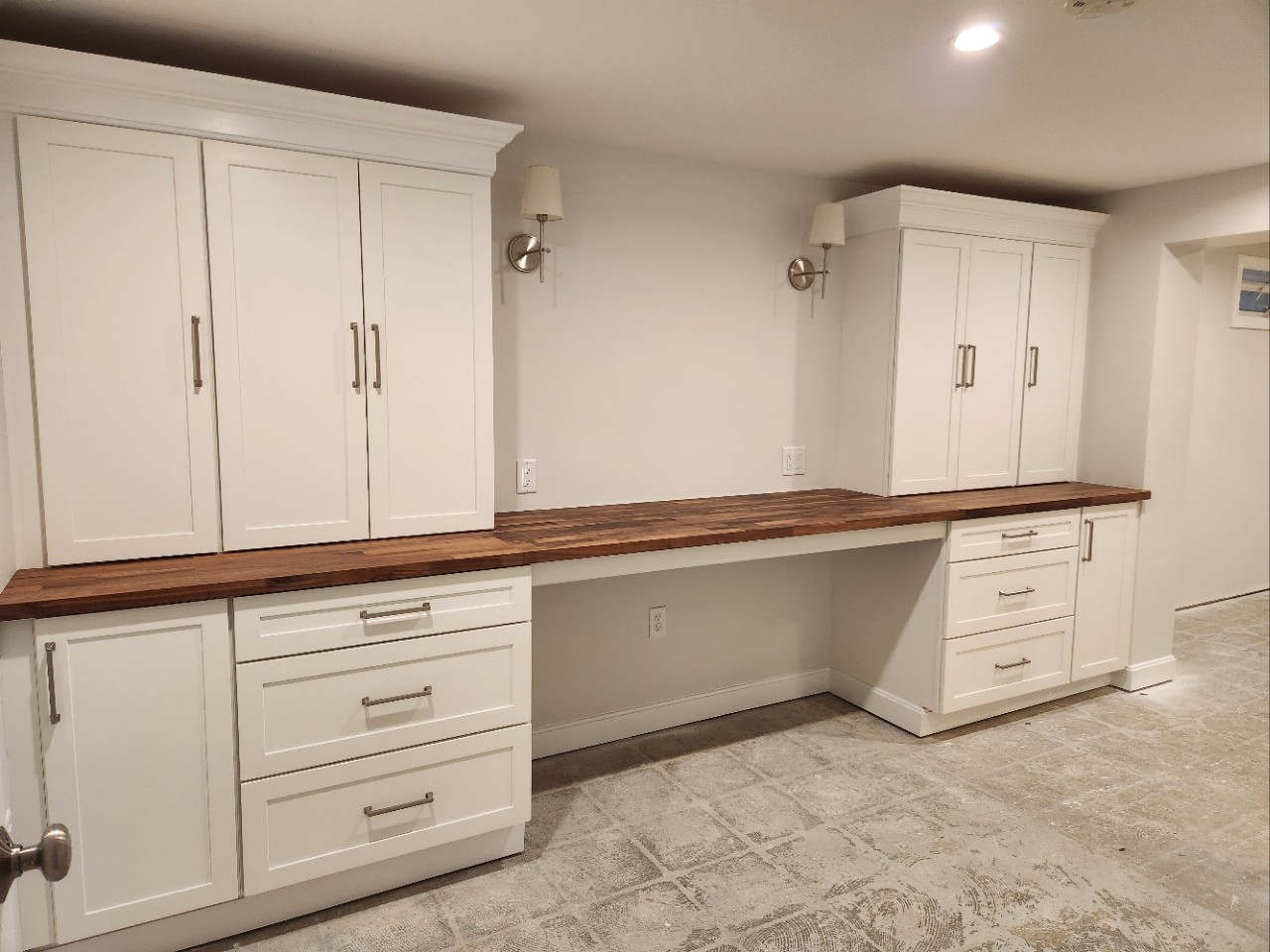
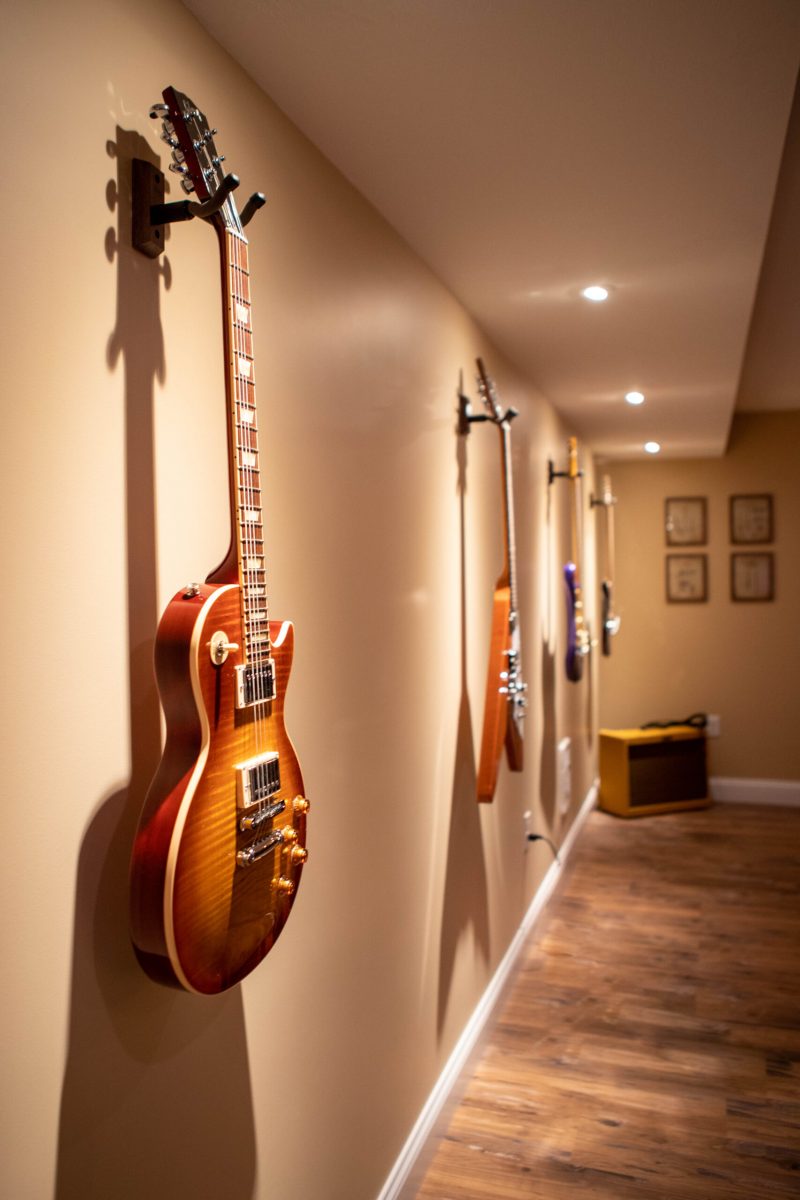
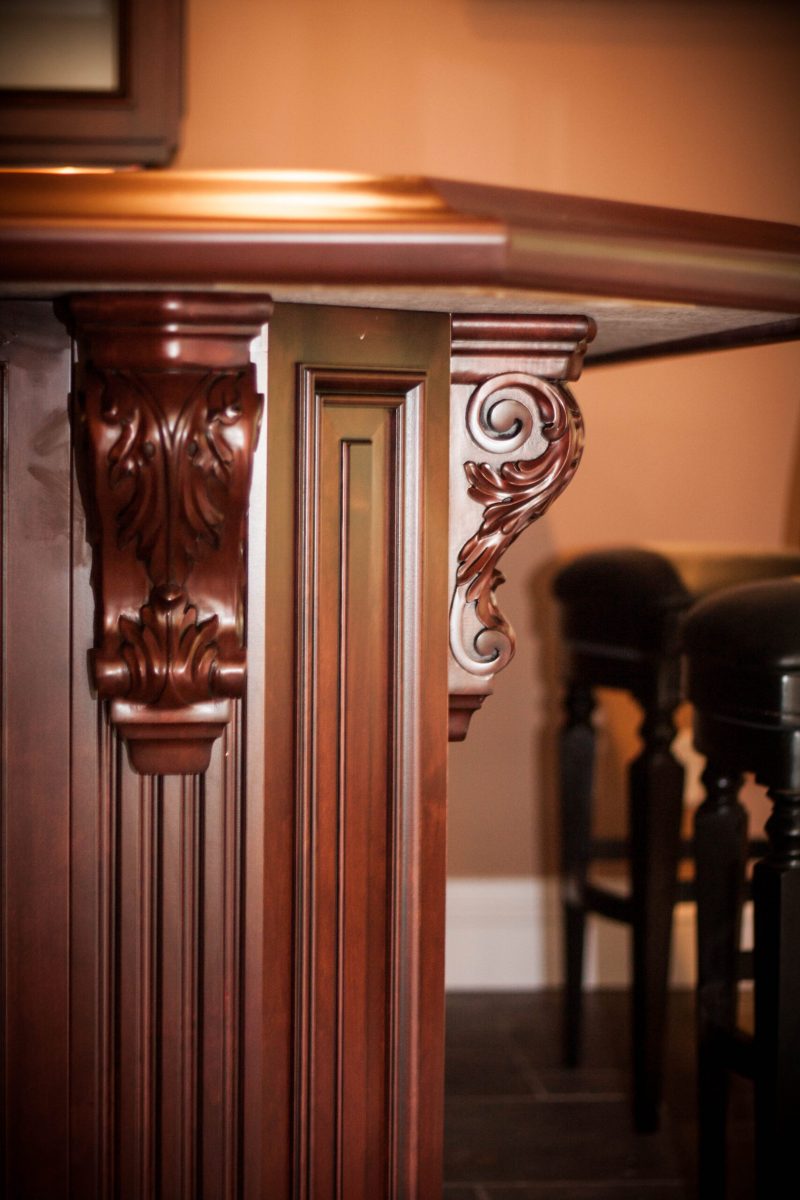
- The High-End Luxury Finish: This is where our team truly shines. We can incorporate custom millwork, integrated soundproofing, a full spa bathroom, and a gorgeous walk-in wine cellar. These beautiful upgrades naturally increase the material and craftsmanship requirements.
3. Specialty Features for Entertaining
Additionally, the specific ways you plan to use the space will shape your final budget.
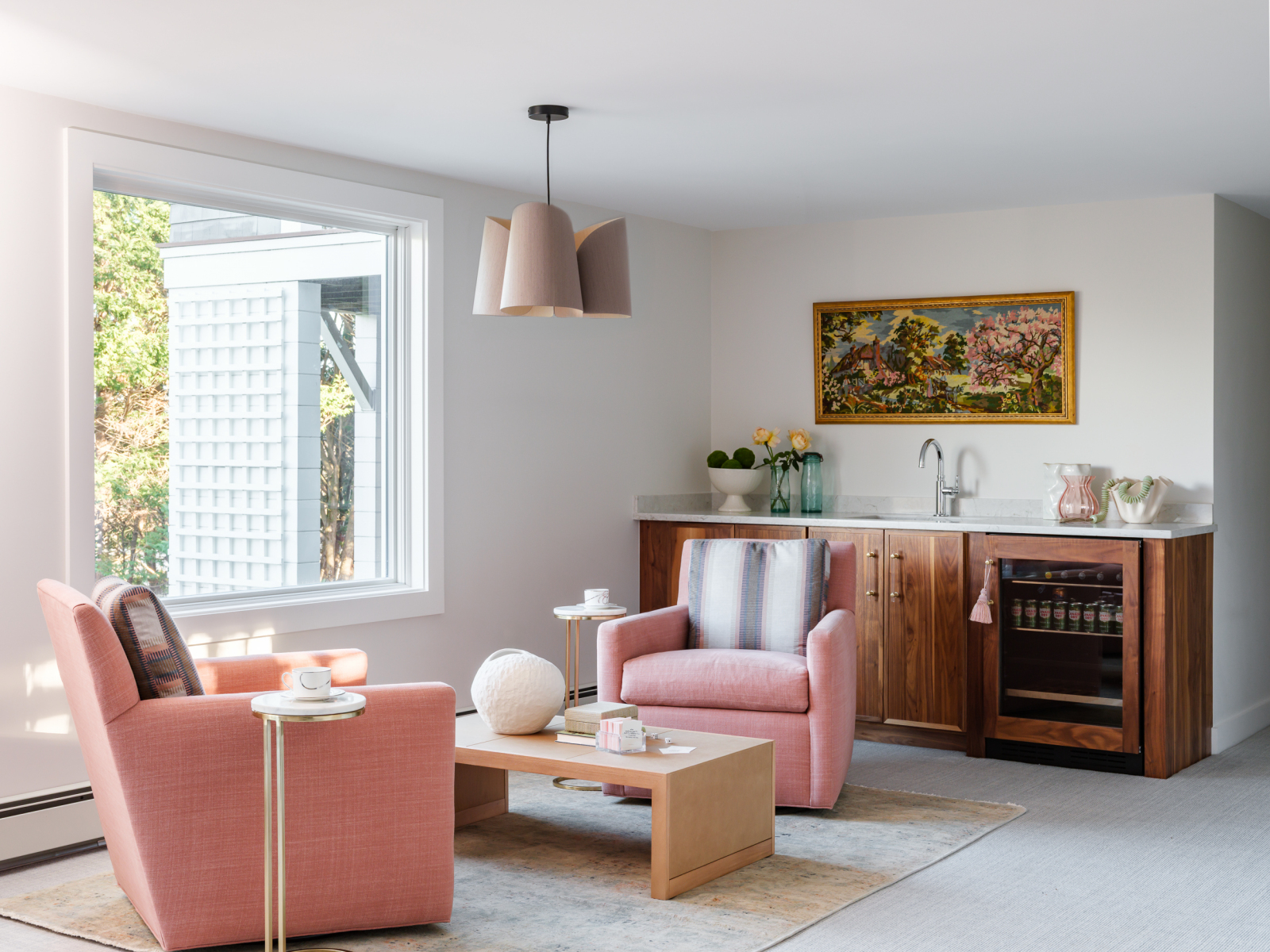
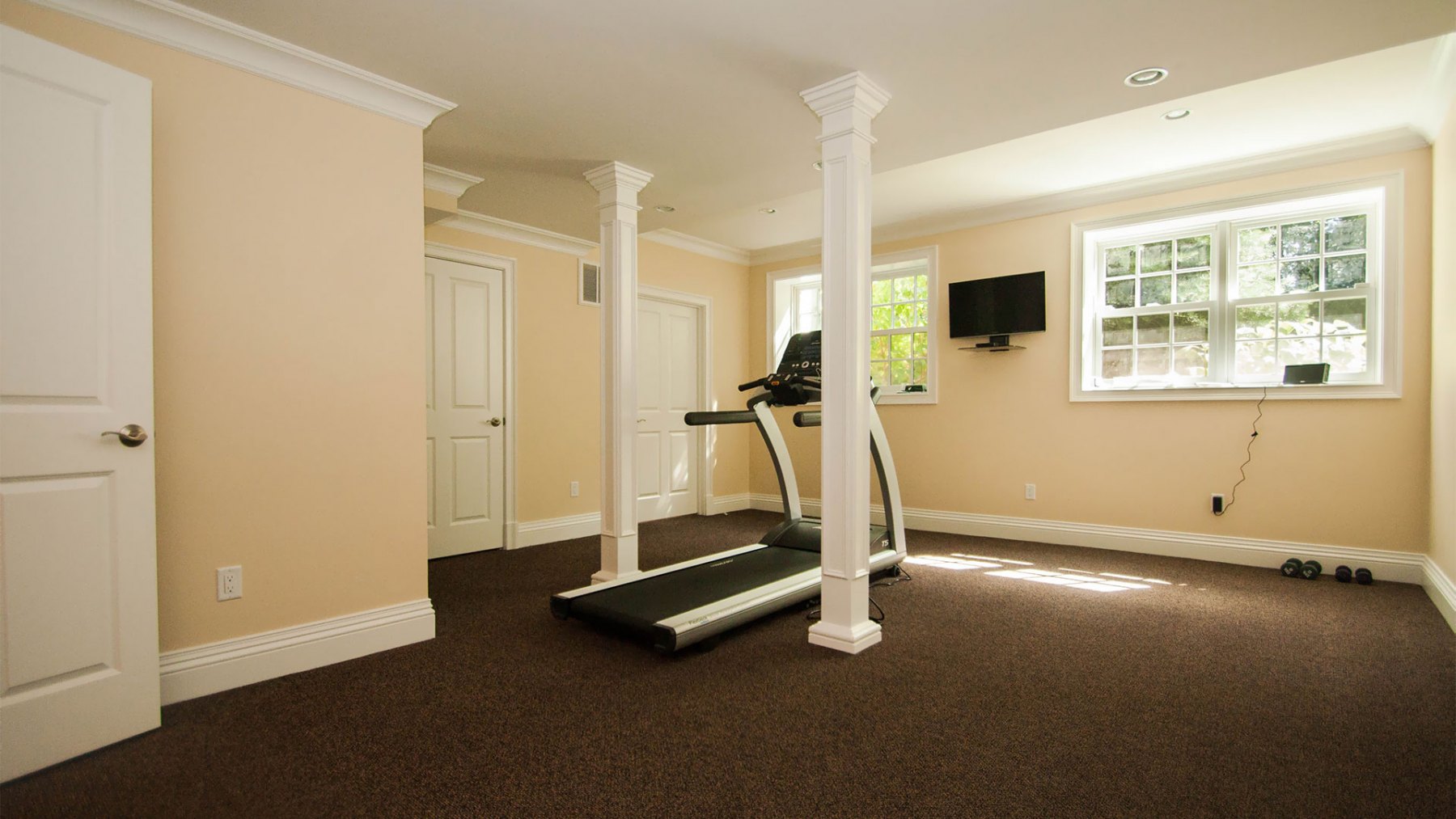
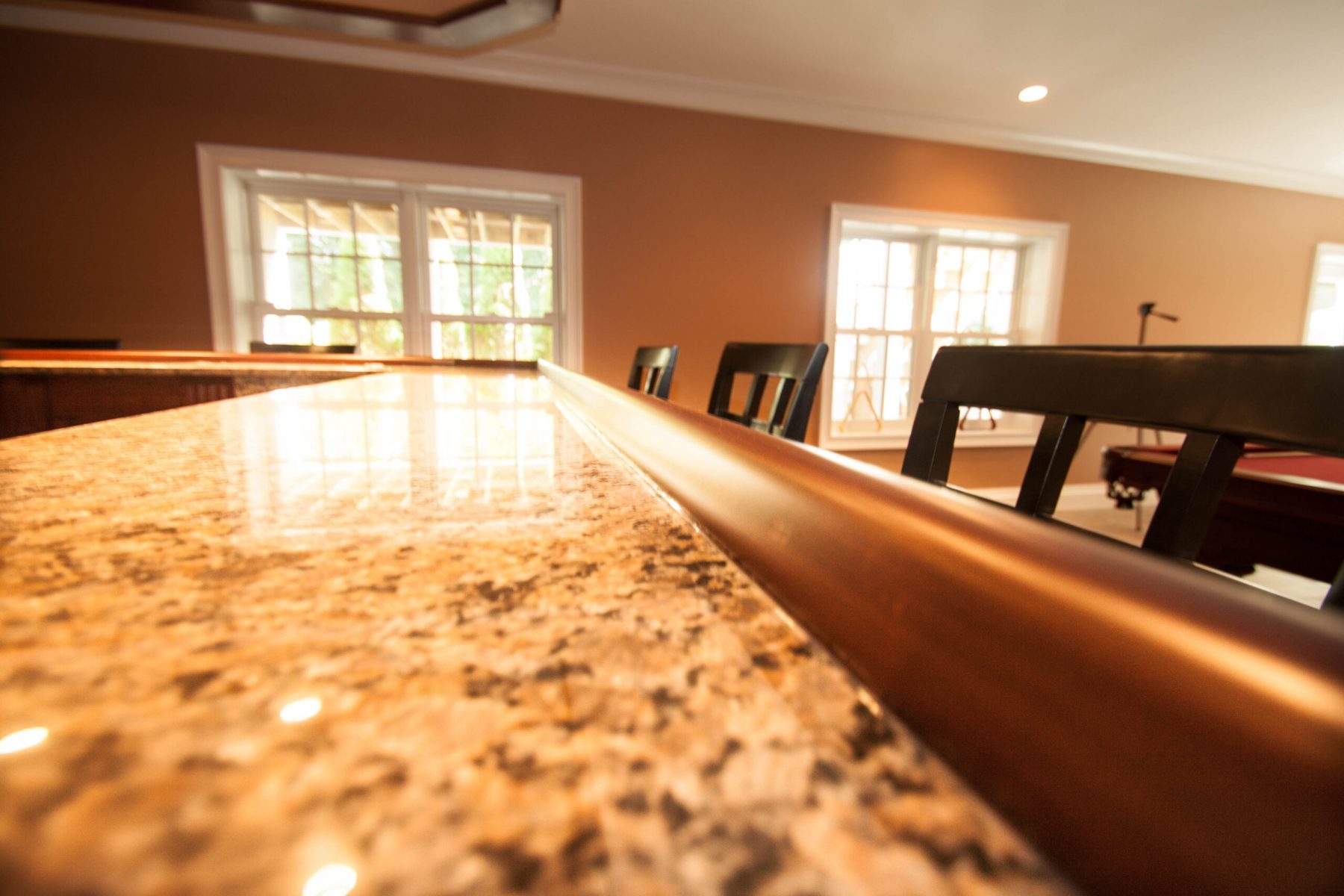
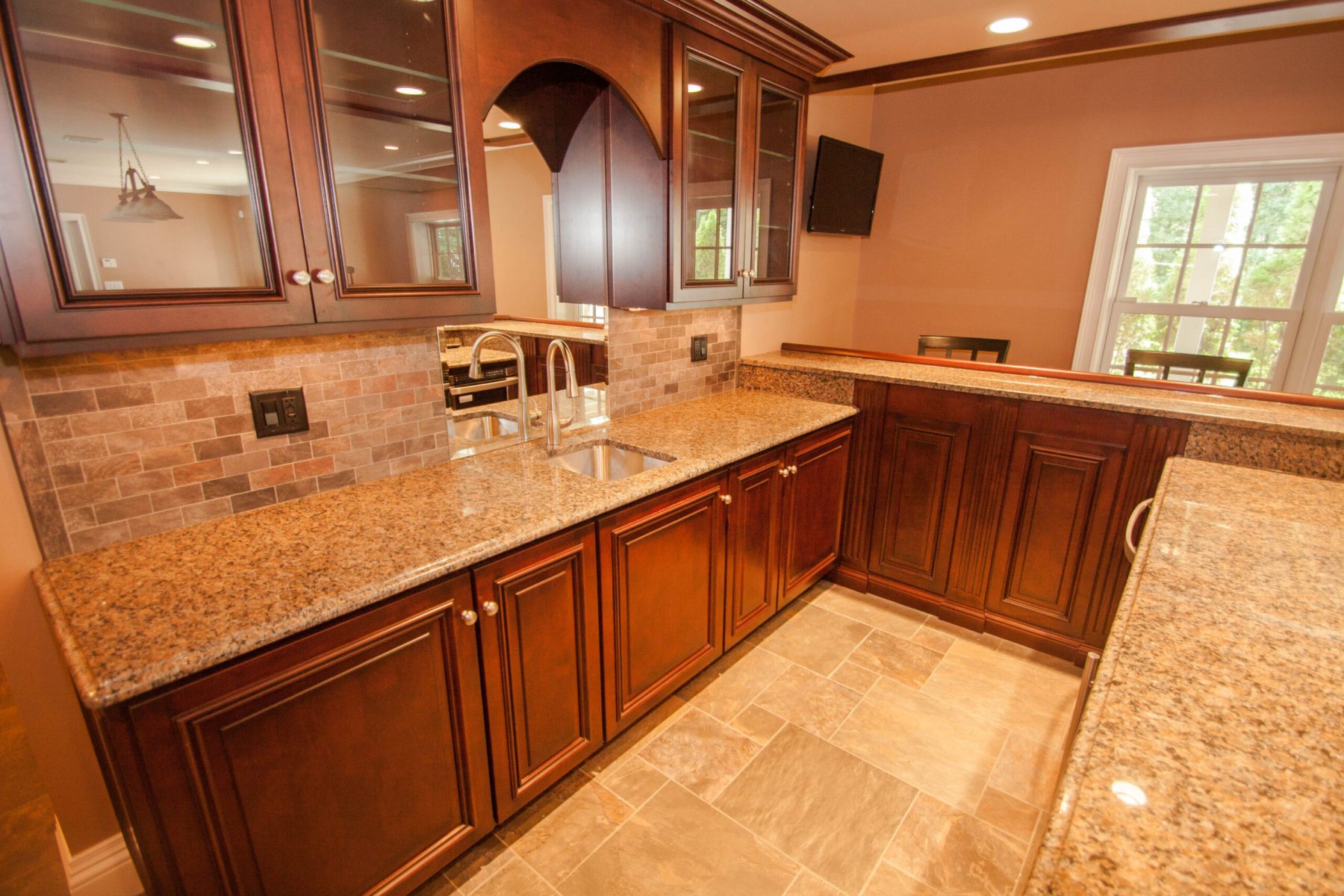
First, adding a wet bar or a high-end kitchenette requires professional plumbing and premium countertops. Second, if you want a luxury home gym, specialized impact flooring is a fantastic choice. Third, extending your current HVAC system ensures the lower level feels perfectly comfortable in every New England season.
The Almar Design-Build Advantage
Understanding these exciting choices is exactly why we use a seamless Design-Build approach. We guide our homeowners carefully from the very first sketch to the final walkthrough.
- Friendly Initial Consultation: First, we start by listening to your dreams. We discuss your lifestyle, your design goals, and your budget.
- Smart Collaborative Design: Next, our experienced design experts translate your ideas into detailed, beautiful blueprints.
- Perfect Budget Alignment: Most importantly, we keep the budget conversation completely transparent. We can show you how different material choices impact the numbers in real-time. This helpful process ensures your design fits your financial comfort zone perfectly.
- Flawless Execution: Finally, our master carpenters bring the vision to life with clean job sites and clear communication.
With Almar, you receive more than a finished room. You get a meticulously planned masterpiece that elevates your lifestyle.nd expertly executed extension of your home that perfectly suits your lifestyle and budget.
Contact Us and Let’s Build Your Dream Space Together!
Are you ready to unlock the true potential of your South Shore estate? Contact Almar Building & Remodeling today to discuss your project and what a basement remodel costs would entail. We look forward to helping you unlock the full potential of your basement!